Opomulero News
PART TWO
There is another danger in the emerging style of political reasoning reflected in the essay: the tendency to convert federal appointment into political capital for a state election. A ministerial appointment demonstrates presidential confidence. It does not automatically demonstrate or confer statewide political acceptability. Those are different currencies.
A governor needs more than recognition in Abuja. He must navigate Akoko, Akure, Owo, Ondo, Ilaje, Ese-Odo, Okitipupa, Irele, Idanre, Ile-Oluji/Okeigbo, Ondo East, Ondo West, and the other political constituencies of the state with equal sensitivity, not disparaging political stakeholders as has been the practice. He must understand the aspirations of urban and rural communities, traditional institutions, professionals, youth, women, farmers, workers, entrepreneurs, and the enormous diversity of interests that constitute Ondo State.
Therefore, the relevant question is not merely: “Is BTO doing well in Abuja?” It is: “What compelling case does BTO present to the people of Ondo State for governing them?” Those are not the same examinations.
Perhaps the greatest weakness in Benson Enikuomehin’s publication is that it approaches succession almost as though the political future of Ondo State were a vacancy to be filled by recommendation. It is not. A governorship is neither an inheritance nor a corporate appointment. It is an electoral mandate. Political parties will deliberate. Stakeholders will consult. Aspirants will emerge. The electorate will scrutinise. The law will operate. And ultimately, the people will decide.
That process should not be short-circuited by premature coronation. There is therefore nothing wrong with saying: “BTO is doing well; he should be considered when the time comes.” There is everything wrong with treating “BTO is doing well” as though it logically means: “BTO should therefore be the next Governor of Ondo State, or he should grab the governorship by all means.” That is not deduction. That is preference disguised as inevitability.
The 2028 gubernatorial election is still sufficiently distant that sensible political actors should be more concerned with governance than succession. When succession politics begins too early, governance becomes collateral damage. Every appointment becomes political. Every federal visit becomes political. Every ministerial achievement becomes campaign material. Every disagreement becomes factional warfare. Every public statement becomes coded messaging.
Eventually, government stops being about governing and becomes about positioning. That is precisely the kind of political temperature responsible leaders should avoid creating unnecessarily. Ondo State has endured enough political contestation to know that political ambition is healthiest when moderated by patience, consultation, and respect for institutions.
There is an elegant simplicity to the democratic arrangement. The President governs the federation. The Governor governs the state. The Minister serves within the federal executive. The electorate decides who governs through elections. The political party manages its internal processes according to its constitution and applicable law. Nobody needs to manufacture a constitutional conflict where none exists.
BTO can perform brilliantly as Minister of Interior without becoming the next governor. Governor Aiyedatiwa can perform his constitutional responsibilities without possessing an entitlement to pursue presidential ambition. The APC can conduct its eventual succession process without being railroaded into a predetermined outcome. And the people of Ondo State can ultimately make their choice. That is the beauty of democracy.
There is nothing wrong with loyalty. But political loyalty becomes counterproductive when it demands that supporters suspend independent judgment. The most useful political supporters are not those who applaud everything their principal does. They are those who can tell their principal when enthusiasm has become excess, when strategy has become haste, and when legitimate ambition is beginning to look like political entitlement. Every political figure is better served by advisers who can say “not yet” than by admirers who insist “now.”
A premature succession campaign can damage the very political capital it seeks to build. The wisest political ambition is patient enough to allow performance to mature into reputation, reputation into acceptability, and acceptability, if the people so determine, into electoral mandate. Anything else risks confusing visibility with inevitability.
Dr. Benson Enikuomehin is entitled to his admiration for BTO. He is entitled to praise his ministerial performance as an allegiance he owes his benefactor. He is entitled to hope that the minister will continue to excel. He is even entitled to express the personal opinion that BTO would make a good governor. But political commentary becomes something else when personal preference is presented as though it were an irresistible conclusion.
BTO’s accomplishments, whatever their magnitude, should be allowed to stand on their own merit or otherwise demerit. The President’s confidence in him should remain what it is: presidential confidence. His ministerial appointment should remain what it is: a federal responsibility. His relationship with Ondo State should remain what it is: a relationship to be judged by the people of the state. And the governorship of Ondo State should remain what it has always been, a constitutional office whose occupant ultimately derives legitimacy from the electorate.
The greatest compliment that can be paid to any ambitious public servant is not to prematurely crown him. It is to insist that he earn every subsequent mandate on its own terms. So, by all means, let us praise excellence. Let us celebrate competent public service. Let us acknowledge achievement wherever it occurs. But let us not confuse applause with anointing, appointment with mandate, federal visibility with statewide acceptability, or political enthusiasm with democratic inevitability.
The next Governor of Ondo State will not be determined by the loudest essay, the most enthusiastic endorsement, the proximity of an aspirant to Abuja, or the volume of political machinery assembled around a personality. When the time comes, the people, the party, and the constitutional process will have their say.
Until then, perhaps the most proactive form of political thinking is not deciding who should succeed the Governor.
It is allowing the Governor to govern, allowing the Minister to minister, allowing the party to organise, allowing potential aspirants to demonstrate their records, and—most importantly—allowing democracy to breathe.
Therefore, it is never too late for Dr. Benson Enikuomehin and his likes to sail with restraint over a vast political ocean that is prone to tides and unexpected changes in tide and water currents!
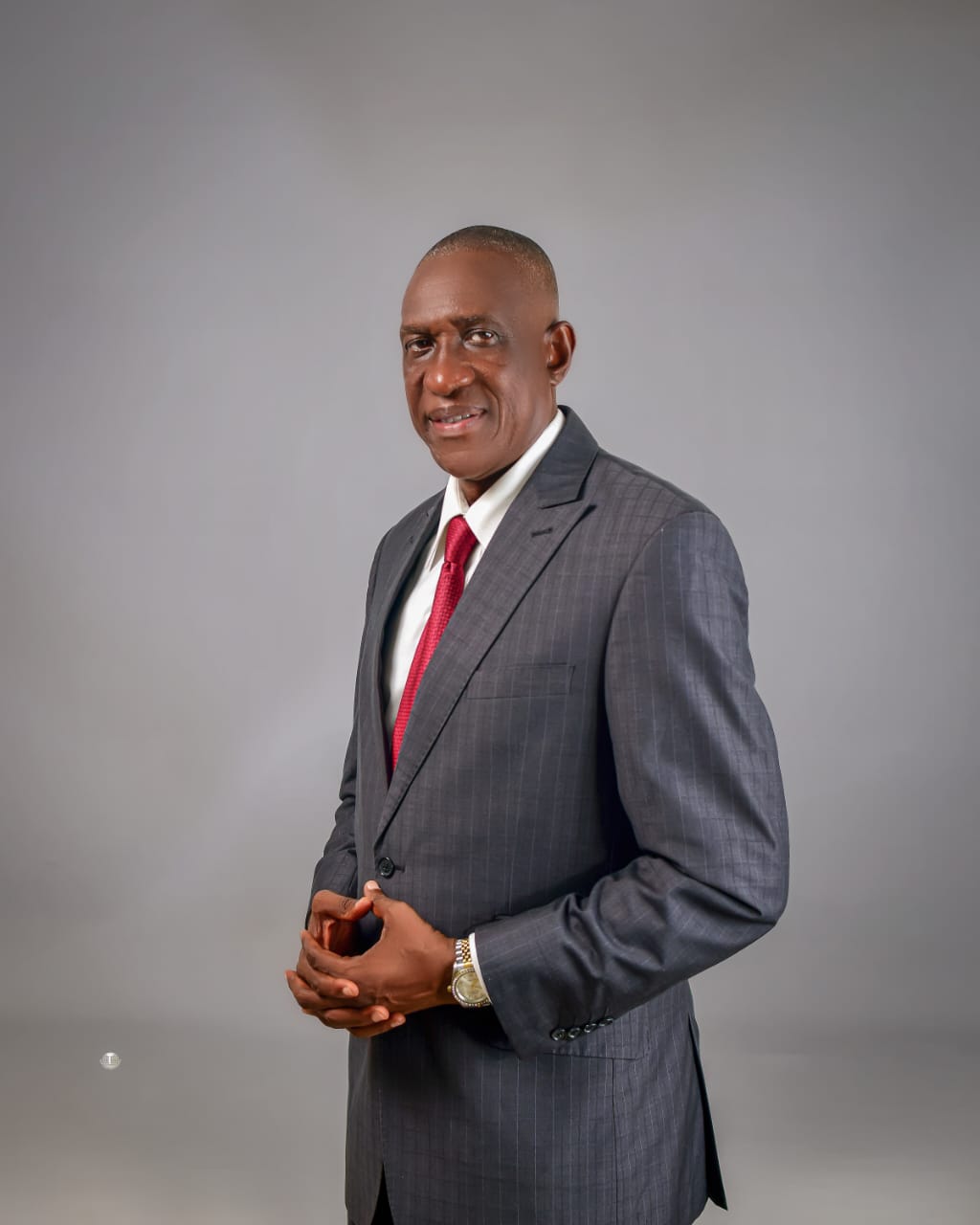
Apostle Temitope Dadeowo Olowofoyekun SSA To The Executive Governor Of Ondo State On SPECIAL INTEREST AND PUBLIC ENGAGEMENT
Tope Liberty Cares